
Vermont 2027
Bicknell’s Thrush and Boreal Birds in the Green Mountain State
Tour Details
Dates:
Tour One: June 6-14, 2027 (Sold out. Join the waitlist below.)
Tour Two: June 15-23, 2027 (Two spaces remain. Register below.)
Tour Host/Guide: Melanie Furr, Feathers with Furr LLC
Maximum Group Size: 8 people (minimum: 6 people)
Tour price: $3525*
Single Supplement: $500*
Pacing and Physical Difficulty: easy to moderate, details below
*Please note, a fee may apply for payments other than Zelle or personal check.
Trip Overview
If you want to be dazzled by as many as 20+ species of breeding warblers, to surround yourself with the ethereal songs of thrushes, to challenge yourself with Empidonax flycatchers, or to add some boreal species to your life list like Bicknell’s Thrush or Black-backed Woodpecker--all while enjoying local flavor amid spectacular landscapes—don’t miss this week-long tour exploring the Green Mountain State. Lively Burlington, Vermont’s largest city, situated on Lake Champlain and home to the University of Vermont, will be our jumping off point for this week-long adventure that will take us from the Champlain Valley to the remote Northeast Kingdom.
The second least-populated state and the most rural and environmentally progressive state in the United States, Vermont is known for its unique beauty. Pristine forests, glacial lakes, lofty peaks, and rolling countryside dotted with quaint villages, farms, and covered bridges harken back to an earlier time. Though small in size, the Green Mountain State supports diverse bird life, thanks in part to expansive Lake Champlain and its adjoining wetlands, which provide vital habitat in all seasons. In addition, Vermont offers birders the chance to see boreal species found in few other places in the United States.
Beyond excellent birding opportunities, breathtaking settings, and a pleasant June climate, we’ll also have a chance to explore some fascinating and unique geological and historical sites and enjoy tasty local cuisine. (Vermont is known for its farm fresh, sustainably produced meats, cheeses, fruits, and veggies, as well as its outstanding local breweries and wineries--not to mention real maple syrup, soft-serve “cremees,” and Ben and Jerry’s ice cream.)
Enchantment awaits! Join Feathers with Furr for this carefully crafted tour exploring the Green Mountain State.
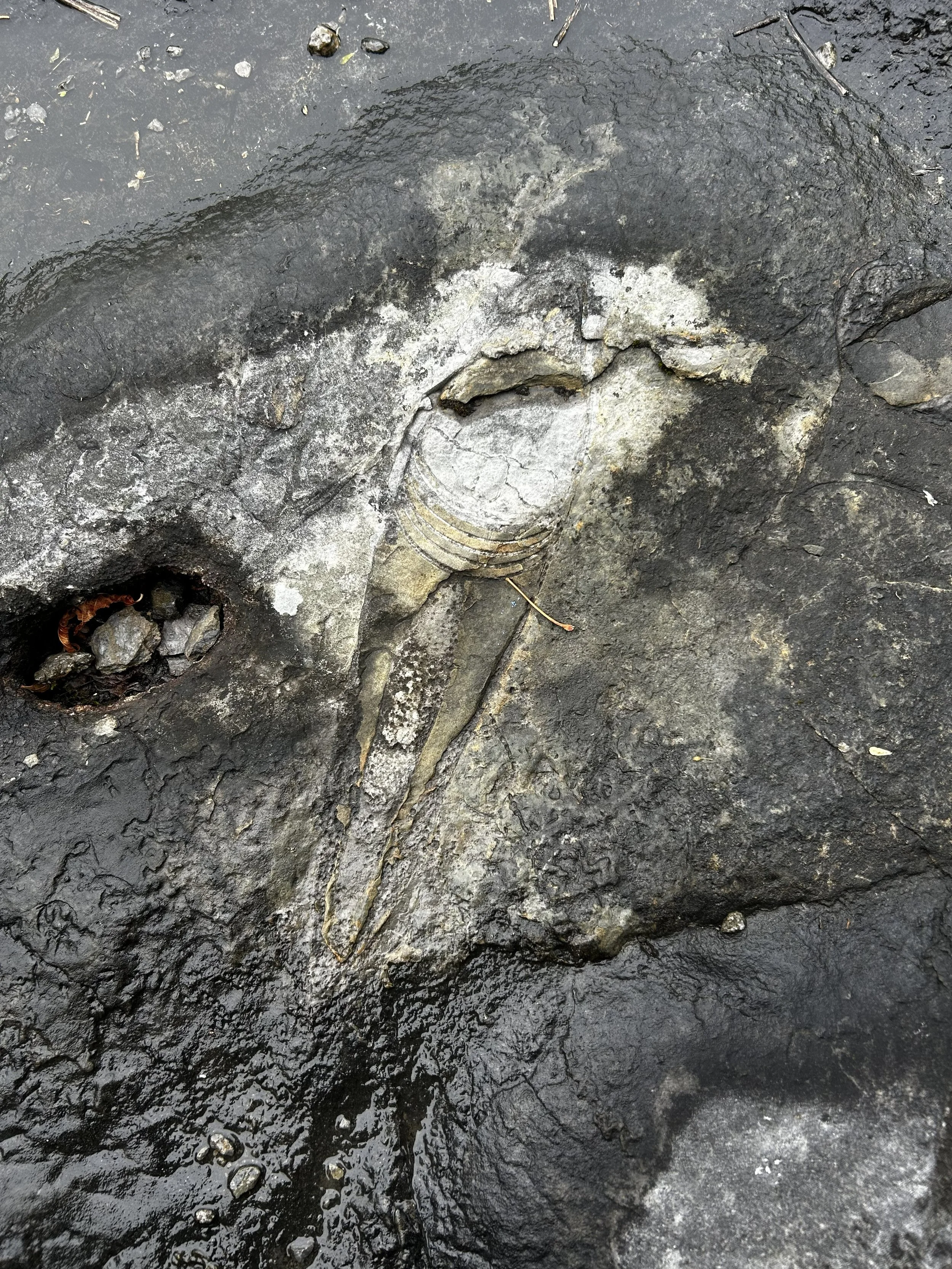
Cephalopod Fossil at Chazy Fossil Reef
Daily Itinerary
-
The tour fee includes this night at an airport hotel that offers a free shuttle.
Note: For those traveling from Atlanta, as of this tour posting, the only direct flight from Atlanta to Burlington departs around 9 PM, arriving around midnight.
-
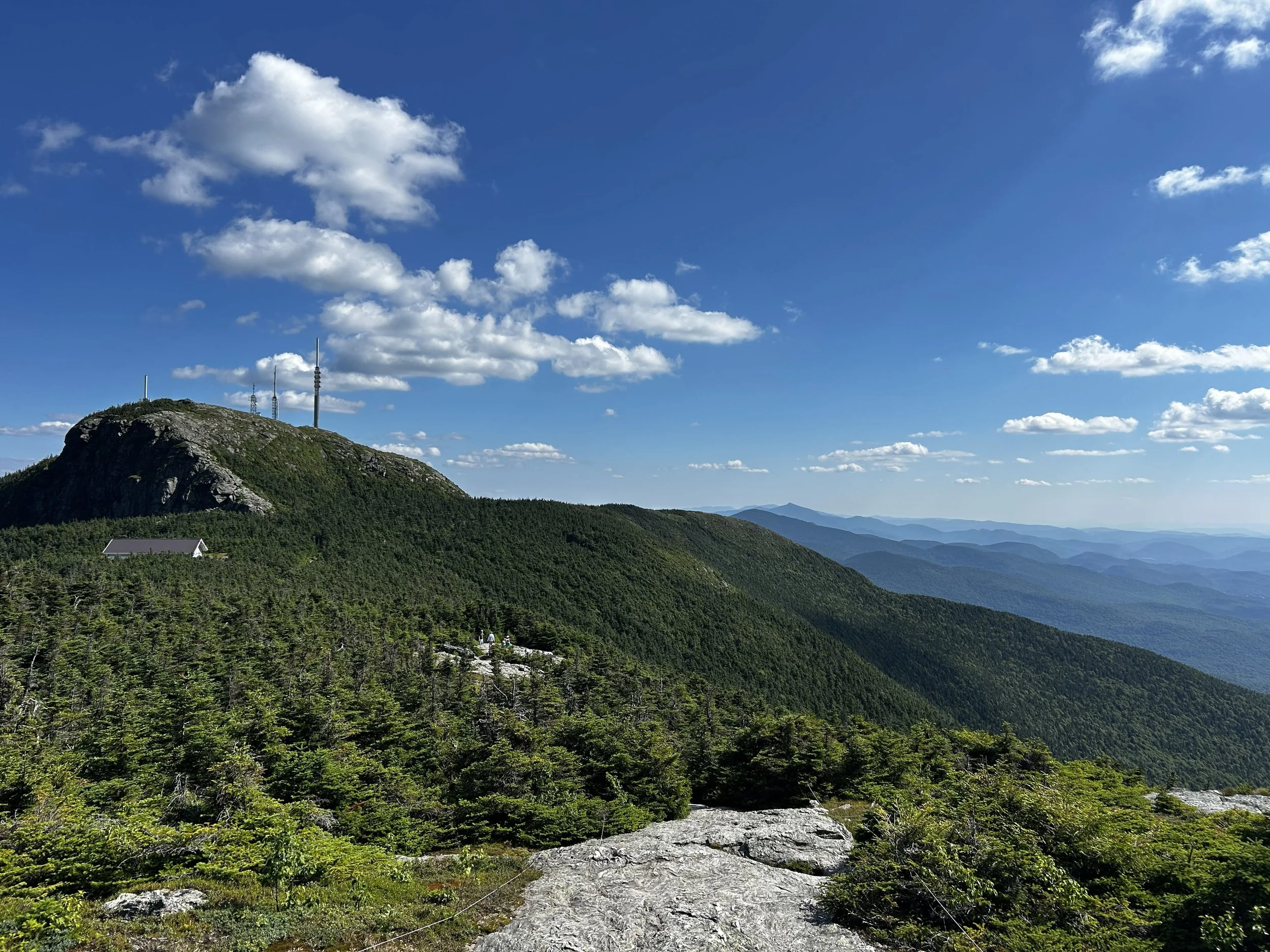
Our main target for the morning will be Bicknell’s Thrush. This shy, elusive thrush nests only in dense northeastern forests in North America, usually at high elevations. In Vermont, they breed only on the highest mountain peaks, where unique alpine ecosystems exist. Luckily, a toll road to the top of Vermont’s tallest mountain, Mount Mansfield, gives us a head start to find our target.
Since the toll road doesn’t open until 10 AM (and given possible late-night arrivals on June 6), we’ll get a gentle start this morning. After breakfast at the hotel, we’ll drive about 45 minutes to Stowe Mountain Resort to take the toll road to the summit of Mount Mansfield. At the top, we will take an easy hike along the ridgeline to seek out Bicknell’s Thrush. Blackpoll Warblers, Dark-eyed Juncos, and White-throated Sparrows also favor this windswept landscape. On the way down the mountain, we’ll make a few stops to enjoy the views and look for a wide variety of neotropical migrants including several species of warblers, thrushes, and vireos. In addition to the Bicknell’s Thrush on the summit, we may encounter Veery as well as Wood, Hermit, and Swainson’s Thrush, so brush up on those thrush songs!
After a break for late lunch at a local restaurant, we will visit to the Birds of Vermont Museum, where we will have a bit of free time to enjoy the exhibits before wandering the trails to look for Nashville Warbler, Purple Finch, Alder Flycatcher, Red-breasted Nuthatch, Baltimore Oriole and other northern breeding species. If time allows, we may also stop at the nearby Green Mountain Audubon Center and wander the trails. We’ll return to the hotel late afternoon for a short rest before dinner.
Dinner and overnight in Burlington
-
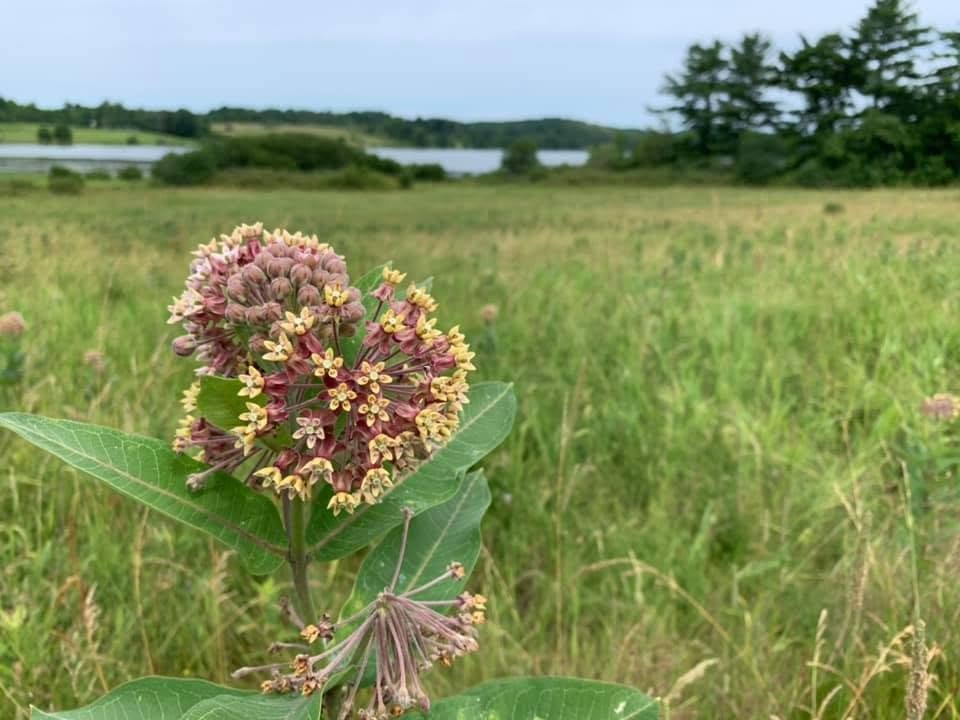
We’ll spend the morning at Colchester Pond, a gorgeous natural pond situated among the rolling hills of the Champlain Valley, just north of Burlington. We will hike the 3-mile lake loop trail looking for target species including Golden-winged Warbler, Willow Flycatcher, and Black-billed Cuckoo. Red-breasted Nuthatches, Black-capped Chickadees, Yellow-bellied Sapsuckers, and Brown Creepers should be easy to find, in addition to a variety of warblers, thrushes, flycatchers, and more. On the lake, we may spot Common Loons, Common Mergansers, Wood Ducks, and Pied-billed Grebes, and if we are lucky, we may also get a glimpse of an American or Least Bittern in the marshy areas.
After lunch, we’ll visit some additional Burlington area hotspots along the shores of Lake Champlain, enjoying spectacular 360-degree views while looking for migrating shorebirds, as well as gulls, terns, wading birds, and waterfowl. We’ll return to the hotel late afternoon for a short rest before dinner.
Dinner and overnight in Burlington
-
Checking out of our Burlington hotel, today we will explore the Champlain Isles, a scenic, rural island chain that divides the northern waters of Lake Champlain. Our wanderings will take us through some breathtaking scenery, where we’ll be looking for birds in a variety of habitats including woodland, wetland, open fields, and lakeshore. In wooded and marshy areas, we’ll keep an eye out for a several species of warblers including Magnolia, Northern Yellow, Chestnut-sided, Yellow-rumped, Black-throated Blue, and Black-throated Green, as well as other neotropical songbirds that only winter or migrate through the southern parts of the Eastern United States such as Eastern Warbling Vireo, Marsh Wren, Swamp Sparrow, and Least Flycatcher. As we pass picturesque farms, we’ll keep our eyes peeled for Northern Harrier, Merlin, and American Kestrel, and along the lake, scan for Common Goldeneye, Common Merganser, Caspian Tern, and Great Black-backed Gull.
After a lakeside lunch, we’ll continue looking for a variety of birds in different habitats (lake, forest, spruce bog) as we explore this unique landscape. We’ll also dive into the fascinating geology of the Champlain Isles with a visit to the Goodsell Ridge Preserve, home to the 460 million-year-old Chazy Fossil Reef, one of the oldest exposed fossilized coral reefs in the world. Fossilized remains of creatures such as gastropods and cephalopods, as well as other forms of marine life that lived along the reef are visible throughout the park. Additionally, we will visit Alburg Dunes, an ancient post-glacial dune system formed when the saltwater Champlain Sea receded. Late afternoon we’ll check into our hotel and have bit of time to rest before dinner.
Dinner and overnight in St. Albans
-
We will spend most of Day 4 exploring Missisquoi National Wildlife Refuge. Encompassing nearly 6800 acres and designated as a Wetland of International Importance, Missisquoi includes lakeshore on Lake Champlain, most of the Missisquoi River delta, large grassland areas, hardwood forests, and the largest bog in the state. We’ll have the special opportunity to spend part of our day with the refuge manager, Kenneth Sturm, who has worked in bird conservation for nearly four decades. Ken will share information about conservation efforts for species of concern on the refuge, including Bobolink, Black Tern, Wilson’s Snipe, Savannah Sparrow, and Eastern Meadowlark. As we wander the refuge boardwalks and trails, we’ll also be looking for shy species like Northern Waterthrush, Sedge Wren, Marsh Wren, Virginia Rail, and American Bittern, in addition to abundant warblers, vireos, flycatchers, swallows, blackbirds, and more. Lucky visitors may get a glimpse of an American Woodcock or one of the few nesting Trumpeter Swan pairs that call the refuge home. Ospreys are sure to be active overhead, as the refuge boasts the highest nesting population in Vermont.
Dinner and overnight in St. Albans
-
Our destination today, about a two-and-a-half-hour drive away, is Island Pond, located in the outer reaches of the scenic and remote Northeast Kingdom, an area bordering Canada and New Hampshire that is roughly 2000 square miles (21% of the state) and has a population of about 65,000 people. This boreal region with its remote spruce-fir forests, bogs, and glacial-carved lakes hosts bird species found nowhere else in Vermont and few other states in the United States.
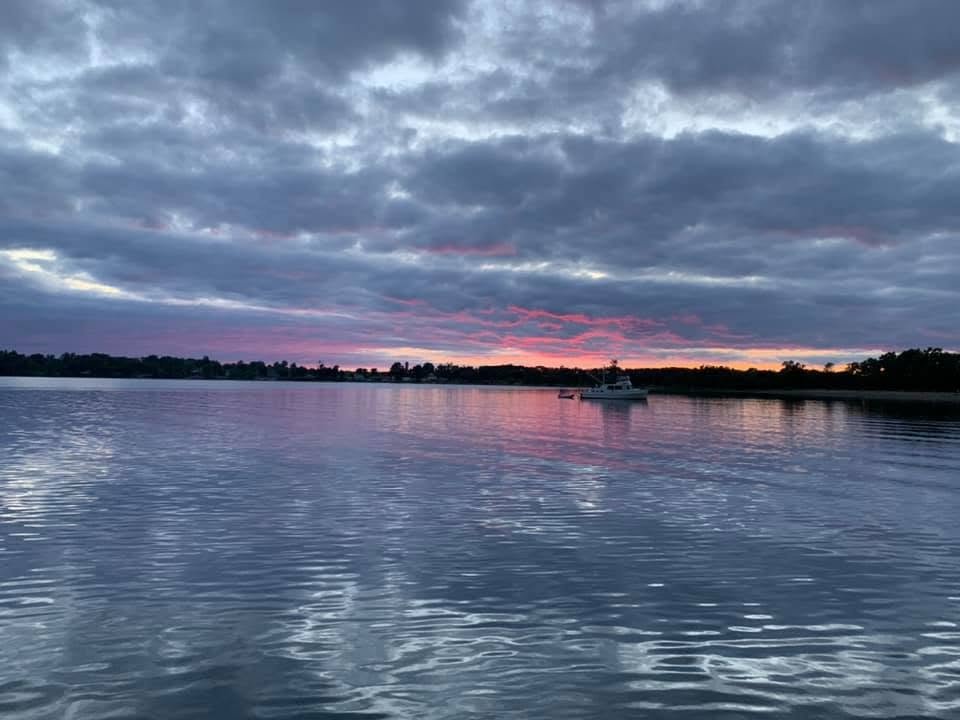
On the way, we will make a several scenic birding stops, depending on group targets, weather, and recent sightings. Our wanderings are likely to include an aerial tram ride to the summit of Jay Peak Resort, where we have another chance to encounter Bicknell’s Thrush, and a stop along the shores of Lake Willoughby, a breathtaking crystal-clear glacial lake wedged between steep mountain slopes, often referred to as America’s Lake Lucerne. This is a good location to scan for Bald Eagles and Peregrine Falcons. Arriving in the lakeside village of Island Pond, we’ll check into our hotel in time for a short rest before dinner, and with any luck, we’ll be serenaded with the songs of loons on the lake as the day fades.
Dinner and overnight in Island Pond
-
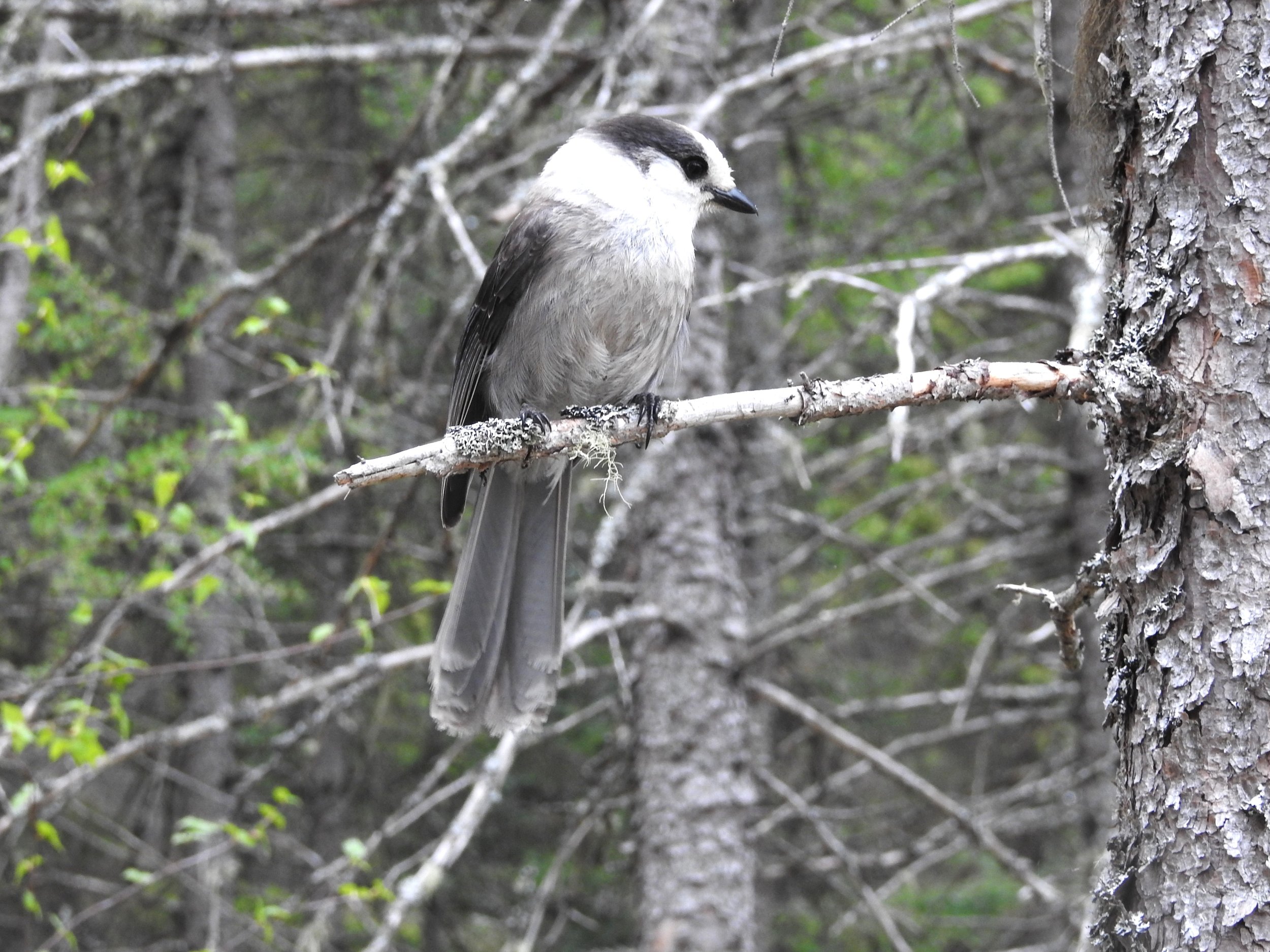
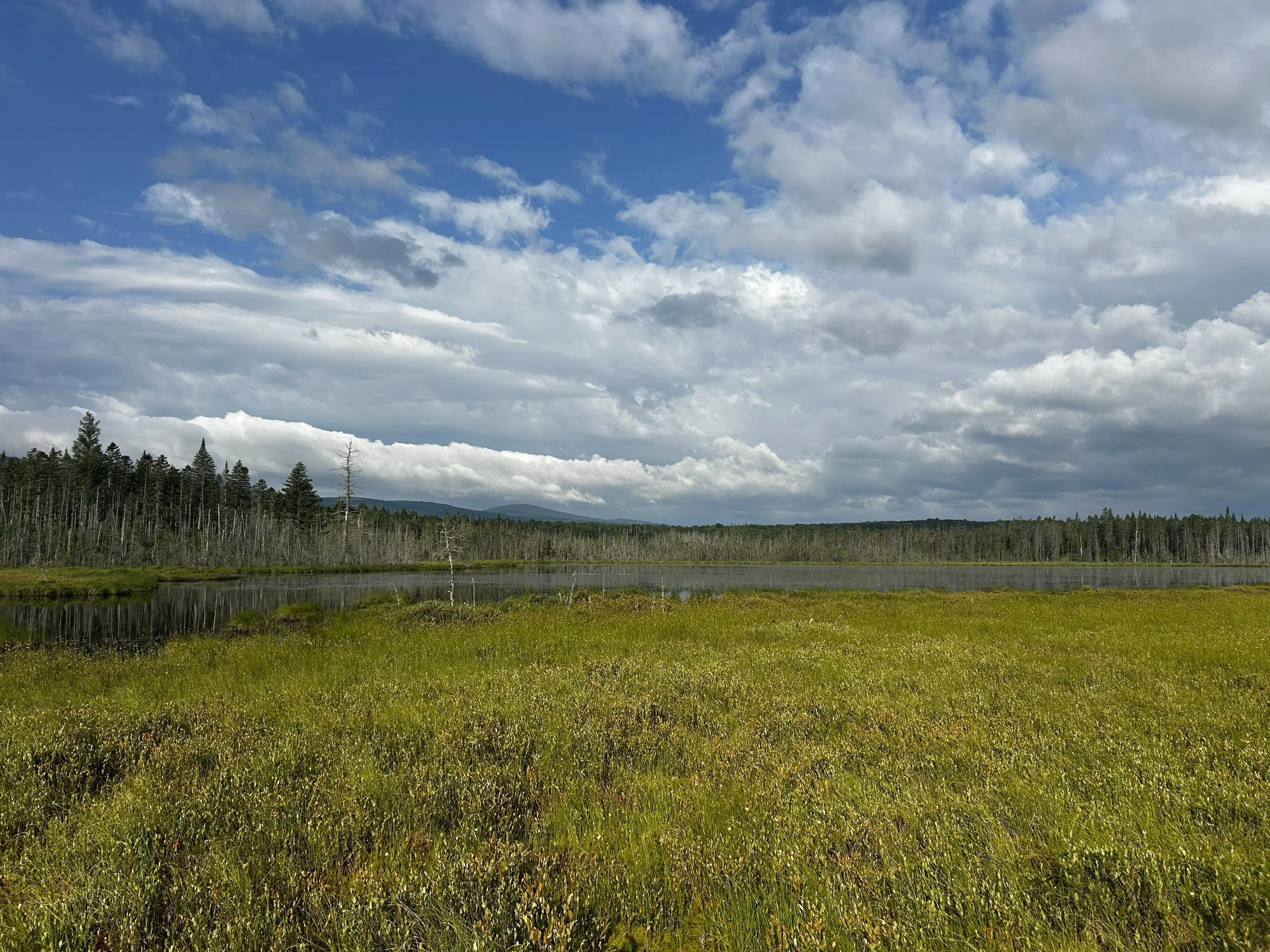
We will spend the day exploring Moose Bog in Wenlock Wildlife Management Area and Silvio O. Conte National Wildlife Refuge. We’ll be looking for boreal specialties of the region, especially Canada Jay and Black-backed Woodpecker. White-winged and Red Crossbill, Evening Grosbeak, Pine Siskin, Rusty Blackbird, and Olive-sided Flycatcher are regularly reported. Though uncommon, Boreal Chickadee is also possible, and if we get really lucky, we may get a glimpse of Ruffed or Spruce Grouse (or a moose!). On top of these region-restricted species, we may find up to 15 species of warblers, including Mourning, Nashville, Canada, and Magnolia, and we have good chances for spotting a variety of flycatchers, including those tricky Empidonax species (“empids”), Least, Yellow-bellied, Alder, and Willow. Moose Bog itself is a feast for the senses, with fragrant spruce, lush mosses, delicate wildflowers, and interesting carnivorous plants.
Dinner and overnight in Island Pond
-
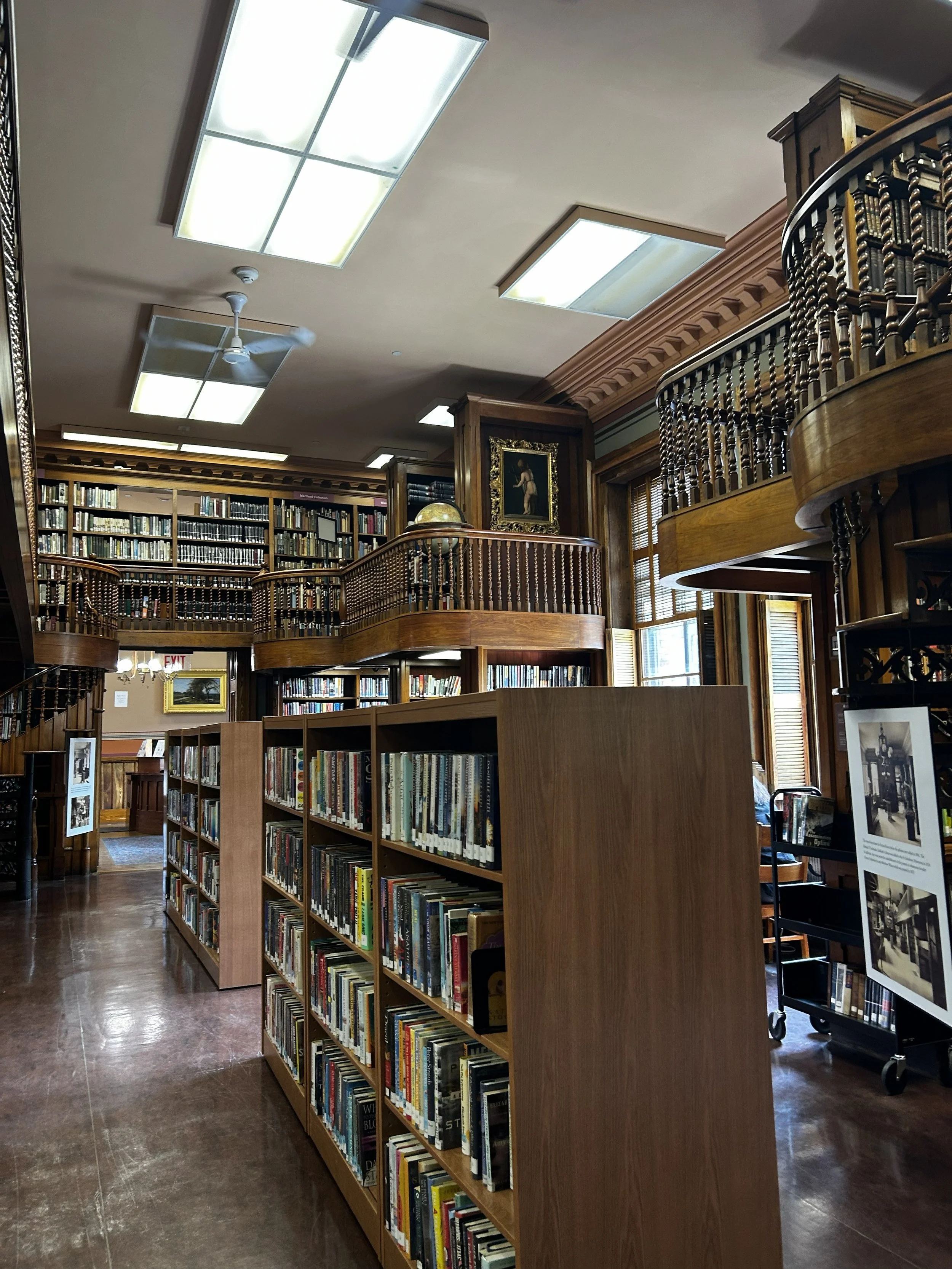
After checking out of our hotel, we’ll spend the morning exploring additional hotspots in the Northeast Kingdom and trying for any target birds we may have missed. On our way back to Burlington, we’ll stop in the quaint town of St. Johnsbury where you’ll have a bit of free time to explore, buy your Vermont souvenirs, or enjoy a maple “cremee” (soft-serve ice cream). You won’t want to miss the St. Johnsbury Athenaeum, founded in 1871 as a cultural center for the town, including a library and art gallery, the centerpiece of which is Albert Bierstadt’s ten by fifteen foot painting The Domes of the Yosemite. You’ll feel like you have stepped back in time as you admire the paintings and sculptures and browse the oak bookcases filled with leather-bound books.
Depending on time and group interests and energy, we’ll hit a few additional hotspots on our return to Burlington, arriving in time for an early dinner before our final night at an airport hotel.
Dinner and overnight in Burlington
-
Note: For Atlanta passengers, as of this tour posting, the only direct flight to Atlanta departs around 5:30 AM. Flights with connections are offered at other hours.
Moose Bog, Wenlock WMA
St. Johnsbury Athenaeum